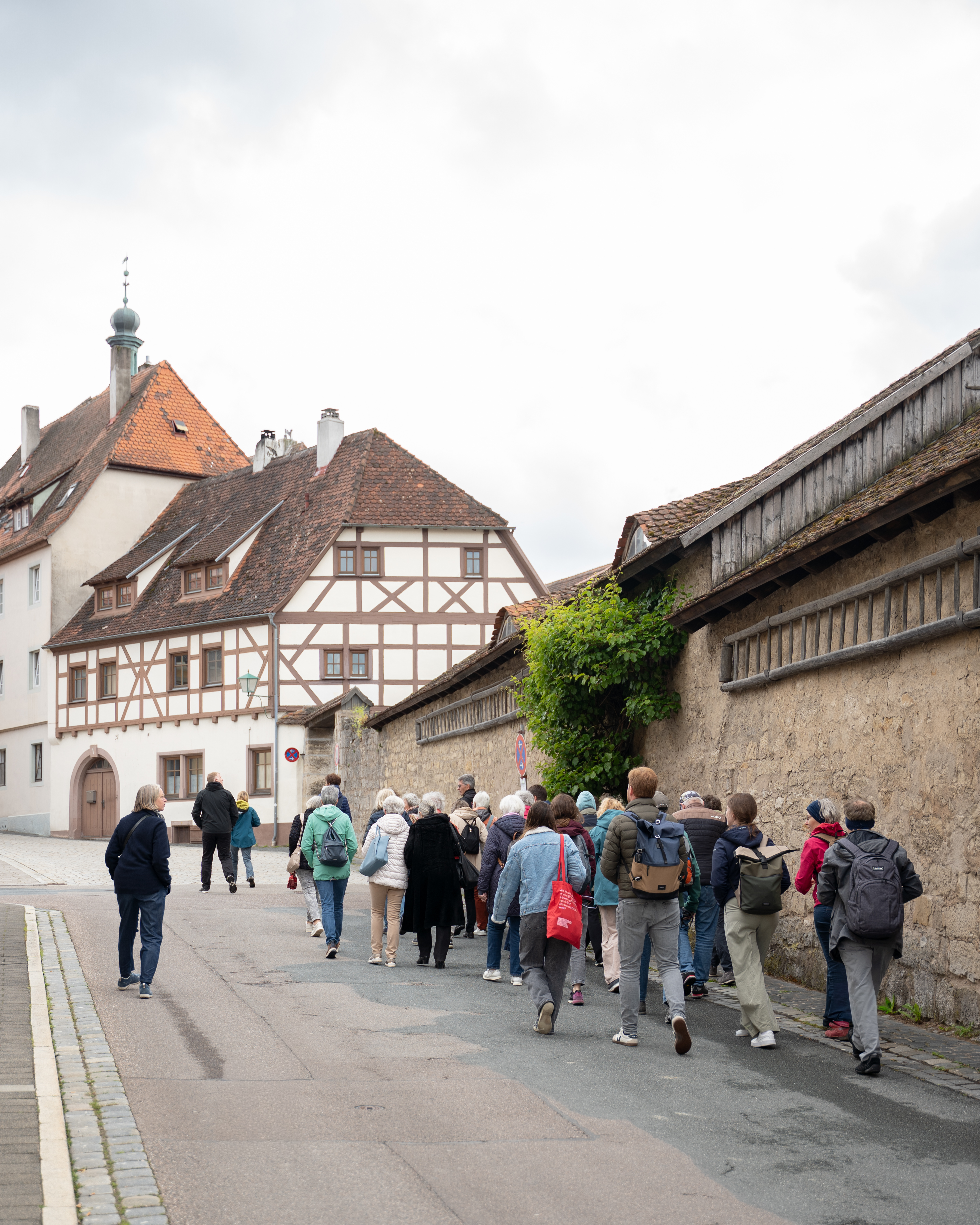

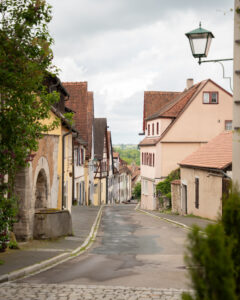
 On May 16, we traveled to Rothenburg ob der Tauber to explore traces of Jewish life in this medieval town.
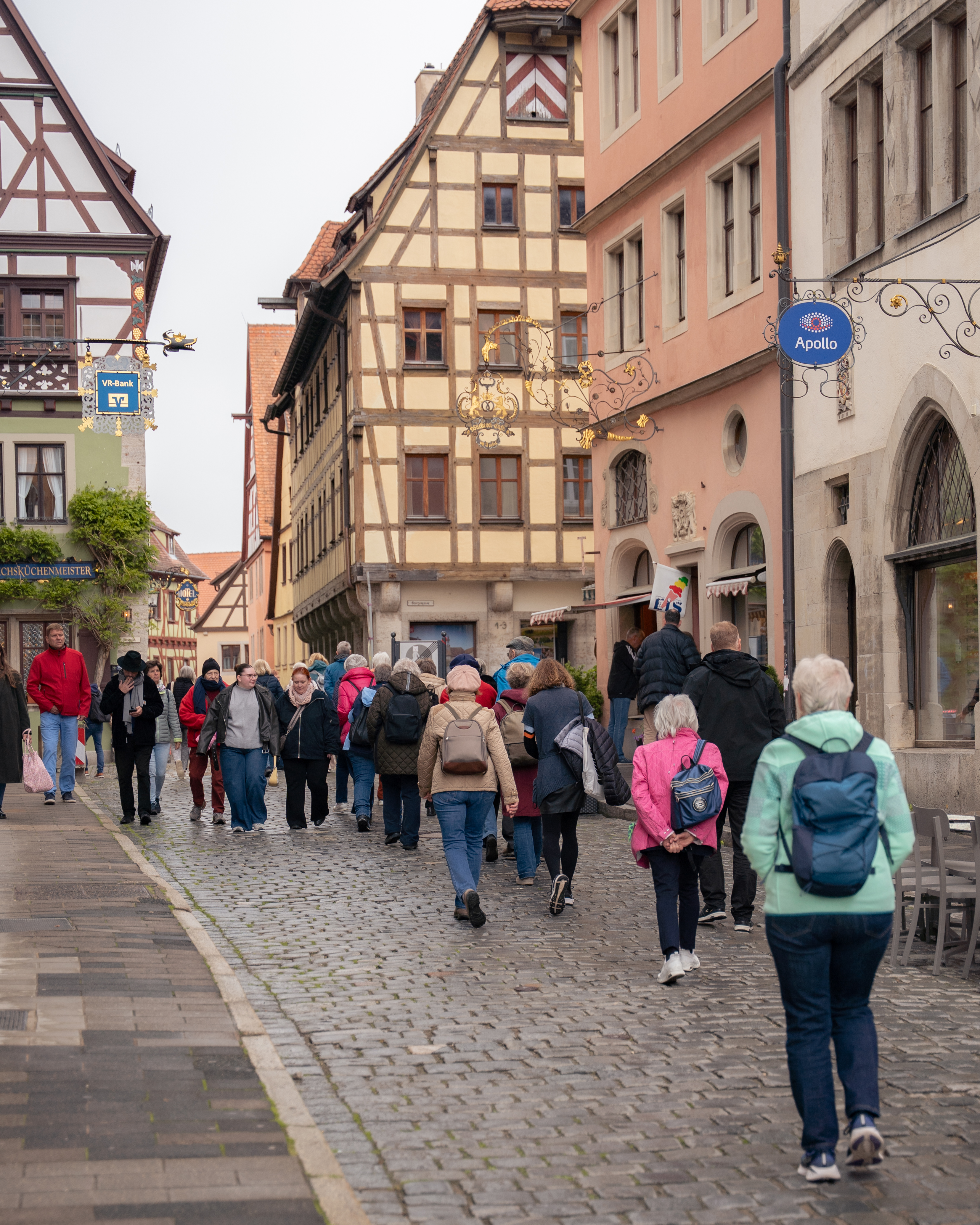
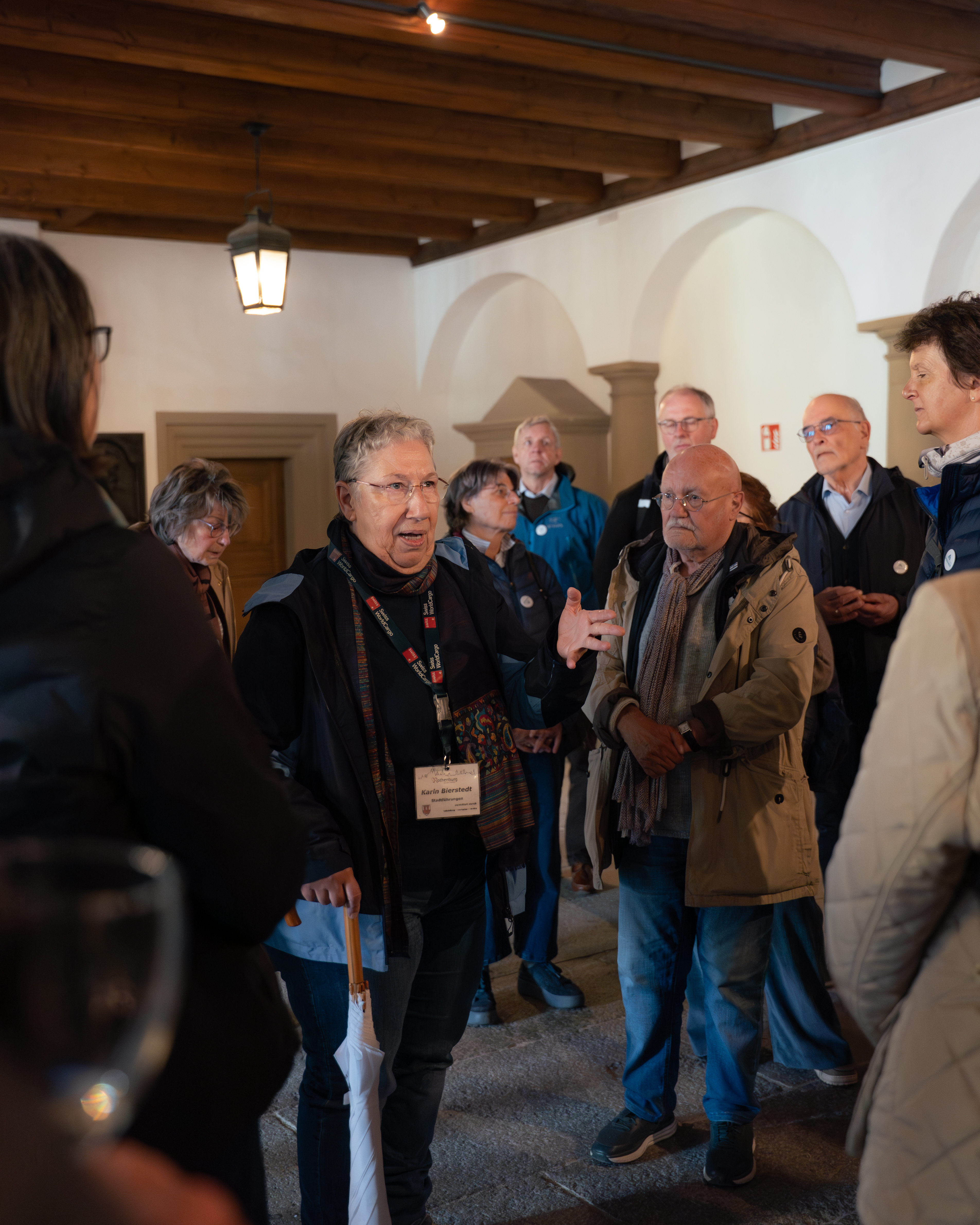
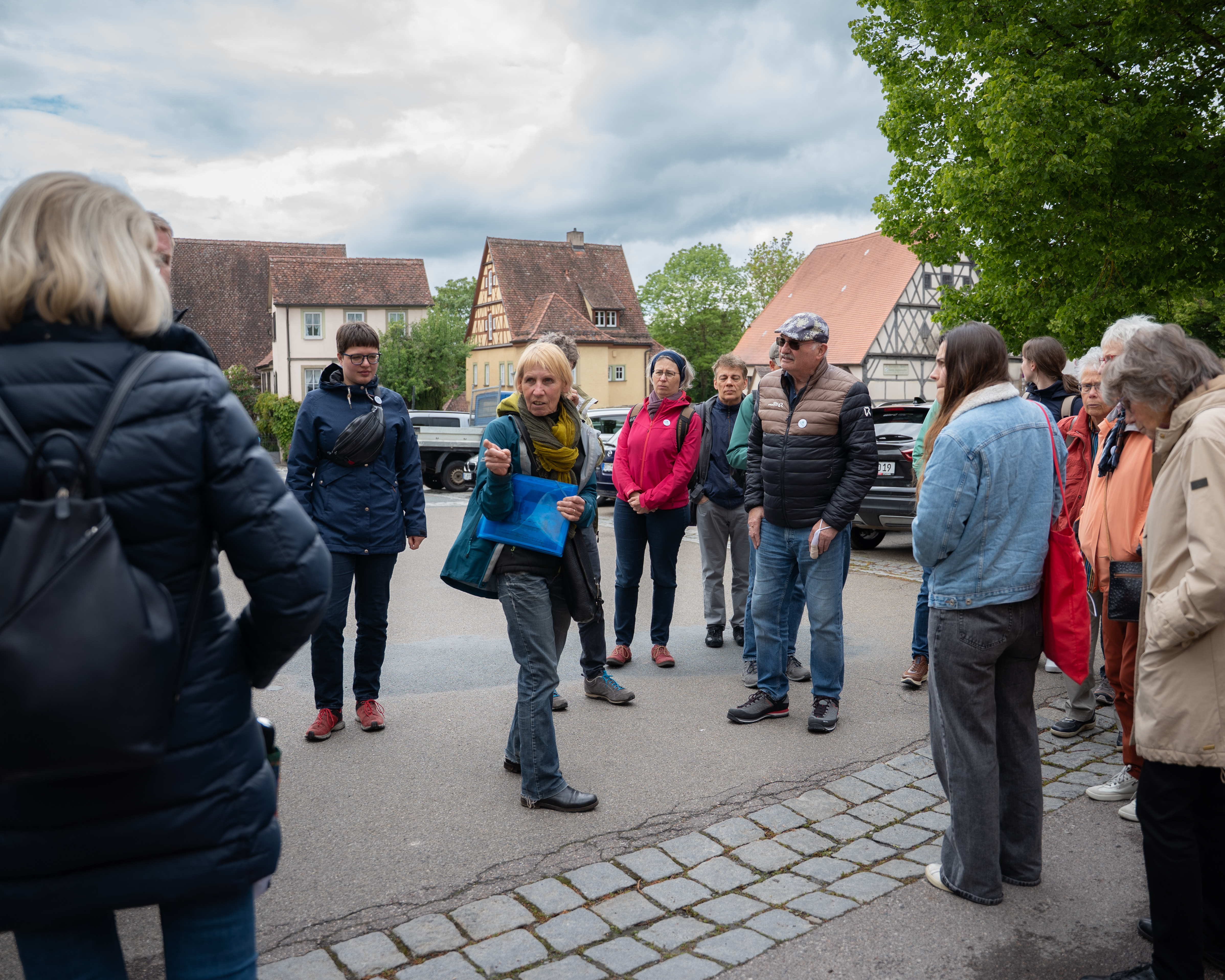
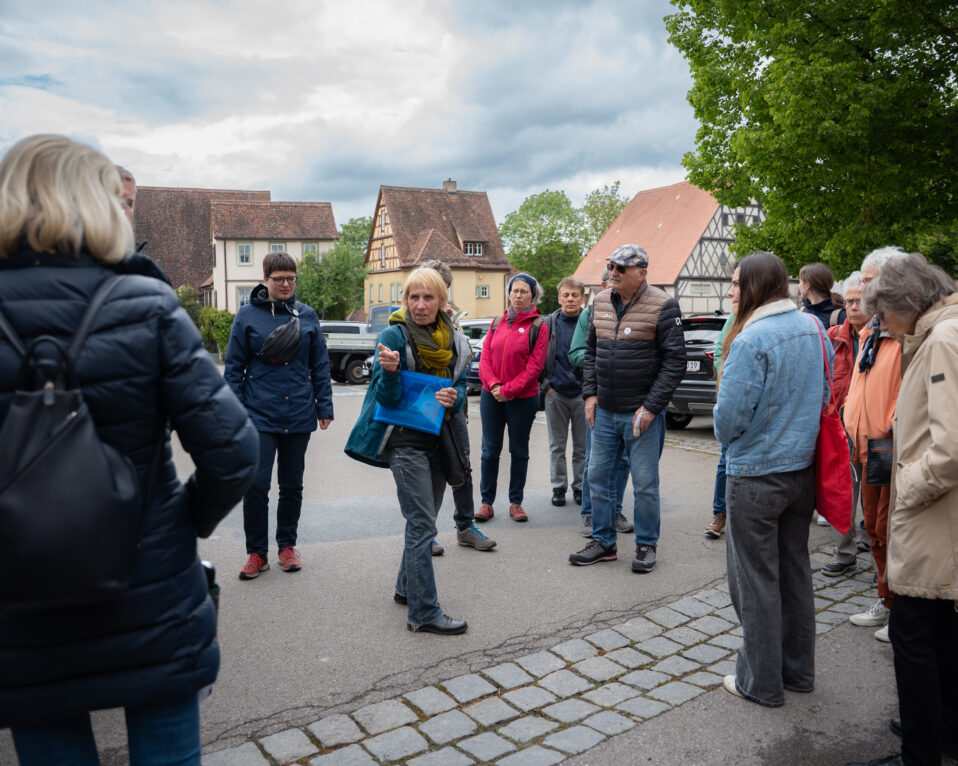
Following a welcome by Mayor Christoph Rösch, our guides Karin Bierstedt and Camilla Ebert led us through the historic old town. Their tour highlighted the close connections between Jewish and Christian life over the centuries and showed how these intertwined histories continue to shape the townscape today.
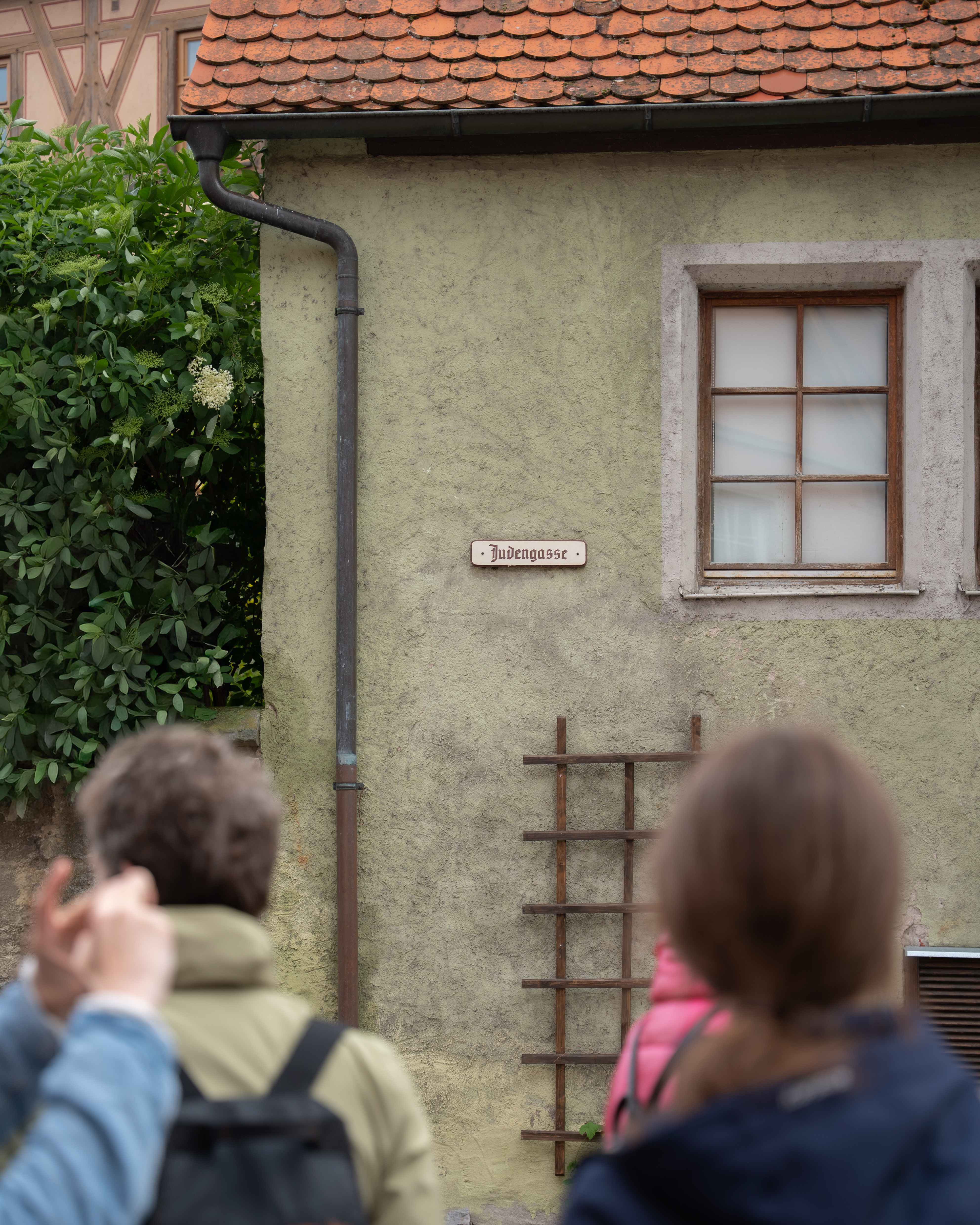
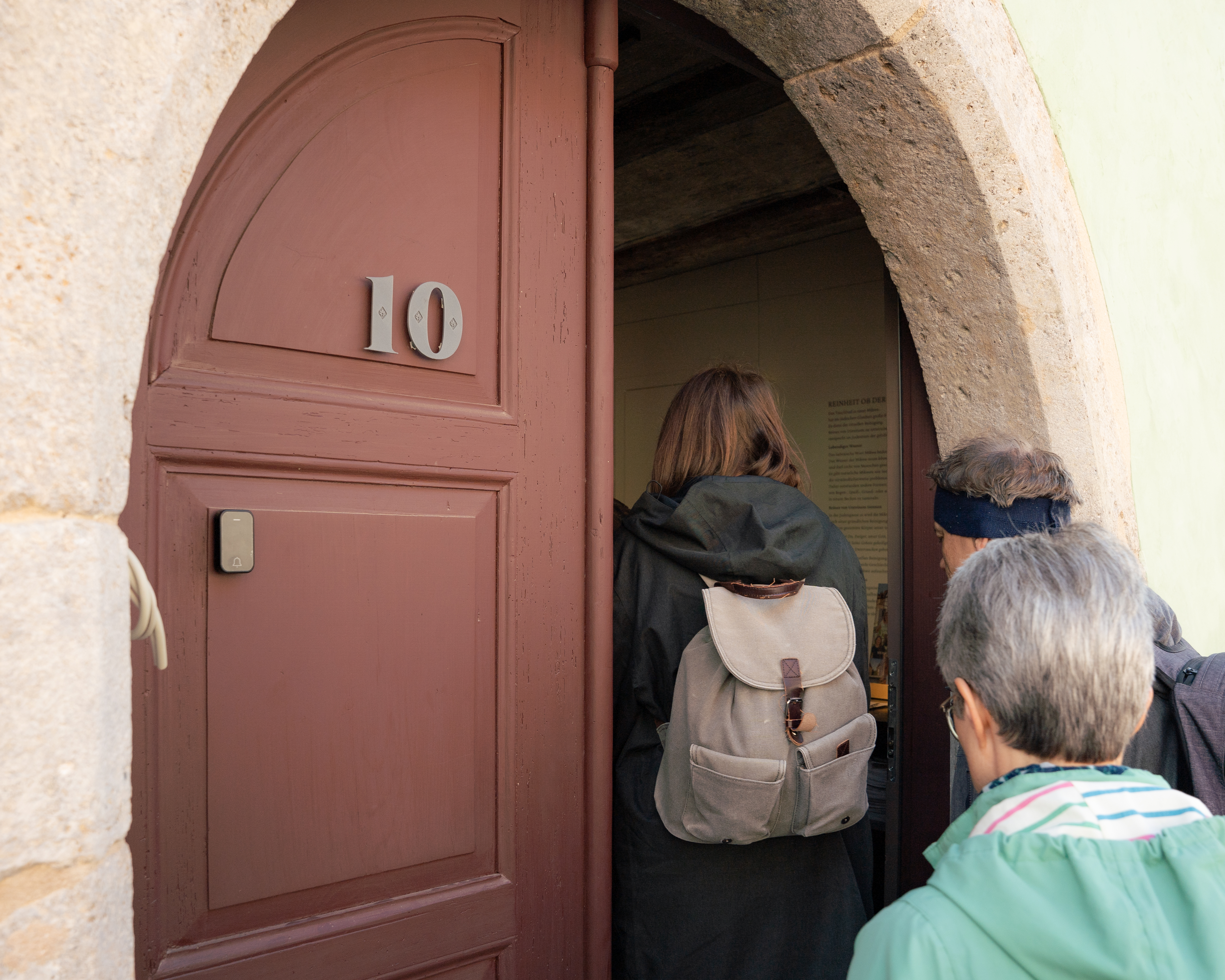
A particular highlight was our visit to the house at Judengasse 10. Acquired and extensively restored by KULTUR ERBE BAYERN, this historic monument is one of the most significant testimonies to Jewish history in Germany. With its late medieval timber-paneled room (Bohlenstube) and preserved mikveh (ritual bath), it offers an extraordinary glimpse into everyday life in the 15th century.
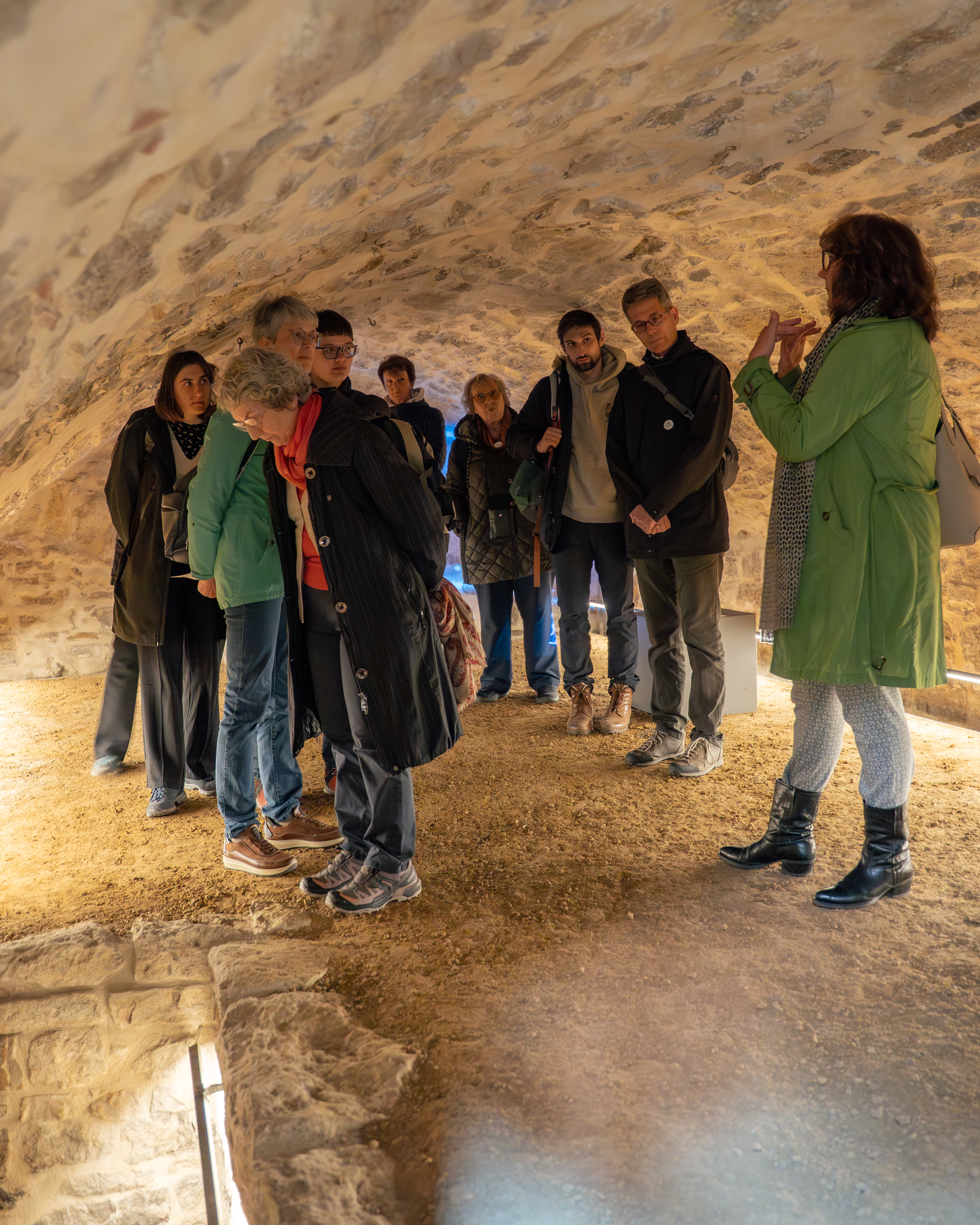
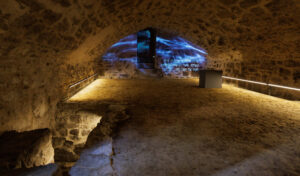
The tour of the mikveh with our chairwoman, historian Dr. Sybille Krafft, vividly demonstrated how powerful such encounters with the past can be. The earthen floor, vaulted ceiling, and cool air created an atmosphere in which history could be experienced almost tangibly. The preserved immersion pool bears witness to the central religious importance of this ritual site for the Jewish community.
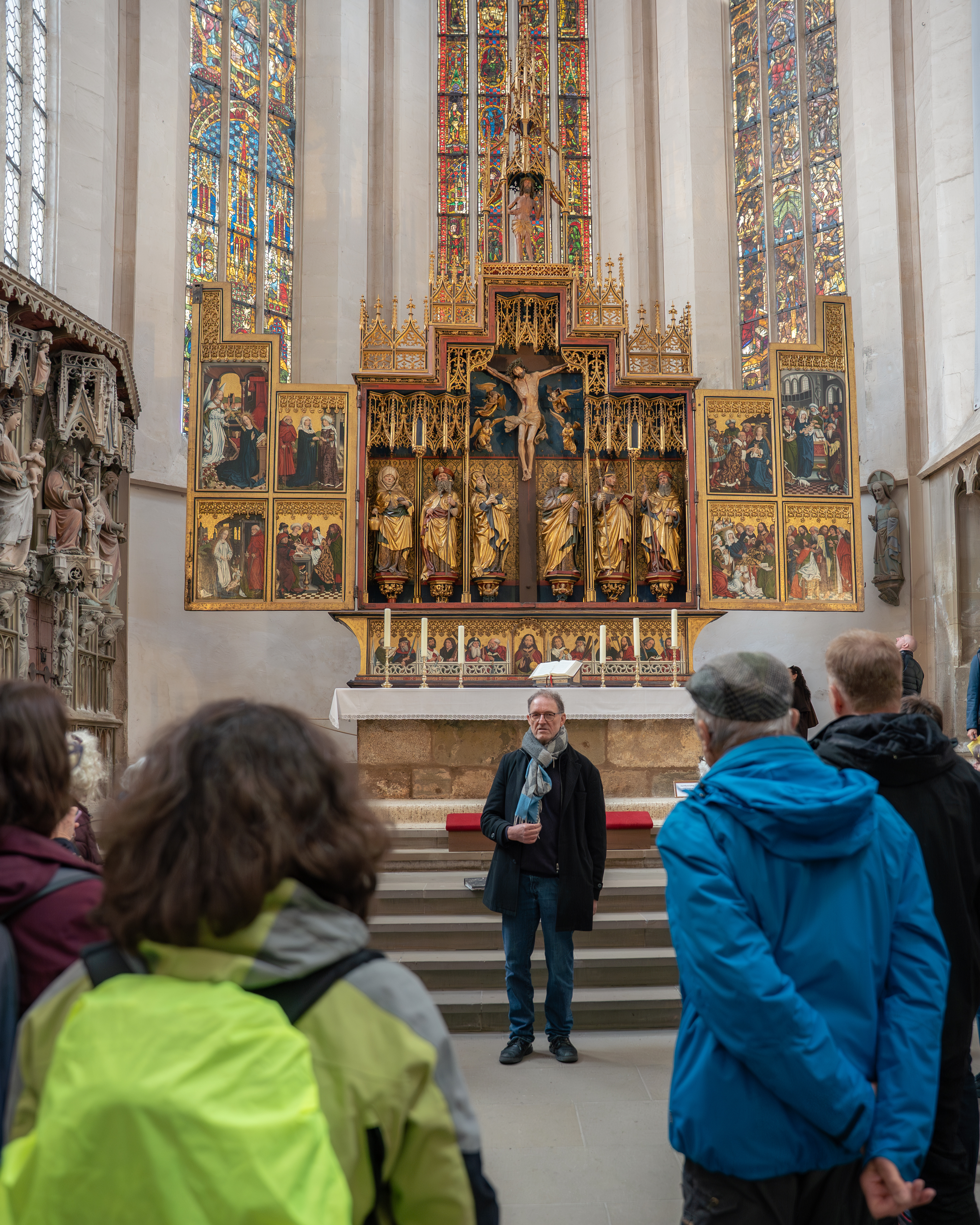
 To conclude the excursion, we visited St. James’s Church together with Pastor Dr. Oliver Gussmann. In a highly engaging presentation, he explained the historical connections between Jewish and Christian symbolism within this Protestant church.
The excursion not only provided fascinating insights into Rothenburg’s history but also demonstrated the value of historic sites in preserving and communicating Jewish culture. These authentic places made the past tangible and opened new perspectives on an important part of our shared culture of remembrance.